Presented by Center for Body Trust
GLP-1S AND KIDS: WHAT ETHICAL CARE REQUIRES NOW.
A BODY TRUST WEBINAR FOR ANYONE CARING FOR CHILDREN AND ADOLESCENTS NAVIGATING GLP-1 CONVERSATIONS.
Featuring Ragen Chastain and Rachel Petersen-Nguyen, M.D.
Thursday, October 16, 2026
10:00 a.m.–12:00 p.m. Pacific
Live online | Two hours

You're trying to do right by your patients.
But the questions are arriving faster than the evidence.
Parents are asking whether their 12-year-old should start a GLP-1 medication.
Children are watching family members lose weight and wondering if they should too.
Some families are already accessing medications outside traditional medical care.
And somewhere in the middle is you trying to balance evidence, ethics, informed consent, developmental health, family dynamics, and the very real harms of weight stigma.
If you've found yourself thinking, “This is more complicated than anyone is admitting”, you're not alone.
Since the American Academy of Pediatrics released its 2023 Clinical Practice Guidelines recommending consideration of GLP-1 medications for children as young as twelve and metabolic and bariatric surgery beginning at thirteen, providers have been asked to make decisions in a rapidly changing landscape with limited long-term evidence and profound ethical questions.
This webinar was created for clinicians who want more than talking points.
It is an opportunity to slow down, examine the evidence with nuance, consider what remains unknown, and develop a harm reduction framework for the conversations you're already having every day.
Why This Webinar Is Different
Most education about pediatric GLP-1 medications focuses on prescribing recommendations or clinical protocols.
This training asks a broader, and, we believe, equally important, set of questions.
- What assumptions are shaping the current conversation about pediatric weight?
- What developmental questions deserve greater attention?
- What happens when we hold both the realities of weight stigma and the uncertainties surrounding long-term treatment?
- What does the evidence actually tell us, and where are the biggest gaps?
- How do we navigate informed consent with children and adolescents?
- What does ethical, weight-inclusive, harm reduction care look like in practice?
Rather than offering simple answers to complex questions, we'll help you build a framework for thoughtful clinical decision-making rooted in evidence, ethics, and compassionate care.
You’ll Leave With
After this training you’ll have:
- Greater confidence navigating difficult conversations with children, adolescents, and families.
- A clearer understanding of what the current evidence supports and what it doesn't.
- Practical language for discussing GLP-1 medications without reinforcing weight stigma.
- A developmental lens for evaluating risks, benefits, and unknowns.
- A harm reduction framework you can immediately bring into clinical practice.
- Greater clarity around informed consent and shared decision-making with pediatric patients.
What We’ll Explore
Understanding the Current Landscape
We'll begin with an overview of the 2023 AAP Clinical Practice Guideline, the evidence informing current recommendations, and how pediatric GLP-1 prescribing has evolved over the past several years.
What the Research Says and Doesn't Say
We'll review the current literature on pediatric GLP-1 medications, discussing both what has been demonstrated and where important questions remain unanswered, particularly regarding long-term outcomes for growing bodies.
What Isn't Receiving Enough Attention
We'll explore critical considerations that are often underrepresented in mainstream discussions, including:
- Eating disorder risk and assessment
- Restriction during periods of growth and development
- Muscle loss and nutritional concerns
- Puberty and developmental health
- Parenting within diet culture
- The psychosocial impact of weight stigma
- Weight cycling and set point
- The lack of long-term pediatric data
- Emerging questions surrounding pregnancy, fertility, and breastfeeding
- The coming wave of oral GLP-1 medications and increasing accessibility
Applying Harm Reduction in Clinical Practice
We'll discuss how a Body Trust framework can help clinicians navigate uncertainty while reducing harm, honoring patient autonomy, and supporting families with greater clarity and compassion.
Real Clinical Case Studies
Together we'll examine real-world scenarios that reflect the complexity providers are already encountering, including conversations with families, children requesting medication after observing parents' experiences, and situations where medications are being obtained outside of medical supervision.
We'll conclude with recommendations, practical takeaways, and live audience questions.
Who Should Attend
This webinar is designed for professionals supporting children, adolescents, and families navigating GLP-1 conversations.
- Pediatricians
- Family Medicine physicians
- Adolescent Medicine providers
- Nurse Practitioners and Physician Assistants
- Registered Dietitians
- Therapists and Counselors
- Behavioral health providers
- School-based clinicians
- Anyone supporting children, adolescents, or families navigating GLP-1 conversations
No previous Body Trust training is required.

Meet Your Presenters
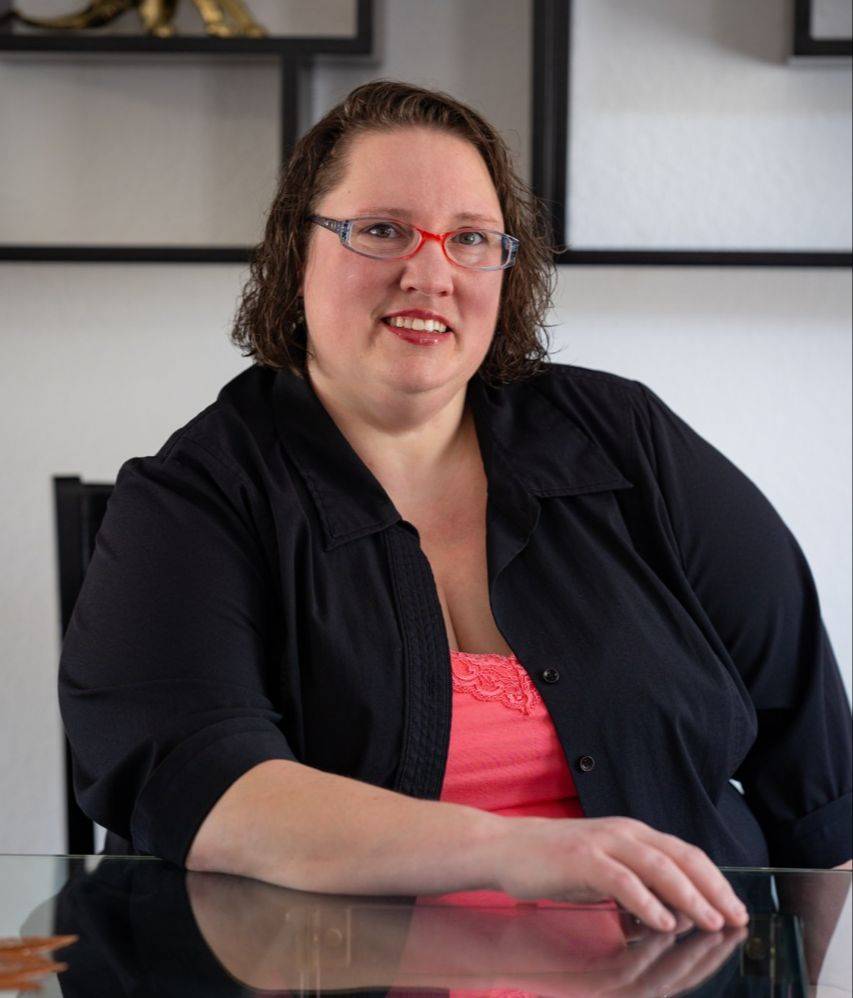
Ragen Chastain (she/her)
Ragen Chastain, M.Ed., is an internationally recognized speaker, writer, researcher, Board Certified Patient Advocate, and multi-certified health and fitness professional specializing in weight science, weight stigma, and healthcare.
Her work has been featured by Memorial Sloan Kettering, Massachusetts General Hospital, Dartmouth, Yale School of Medicine, Google, Amazon, and numerous healthcare organizations. She is the author of the Weight and Healthcare newsletter, co-author of the Health at Every Size Health Sheets, editor of The Politics of Size, and a frequent media expert on weight science and healthcare.
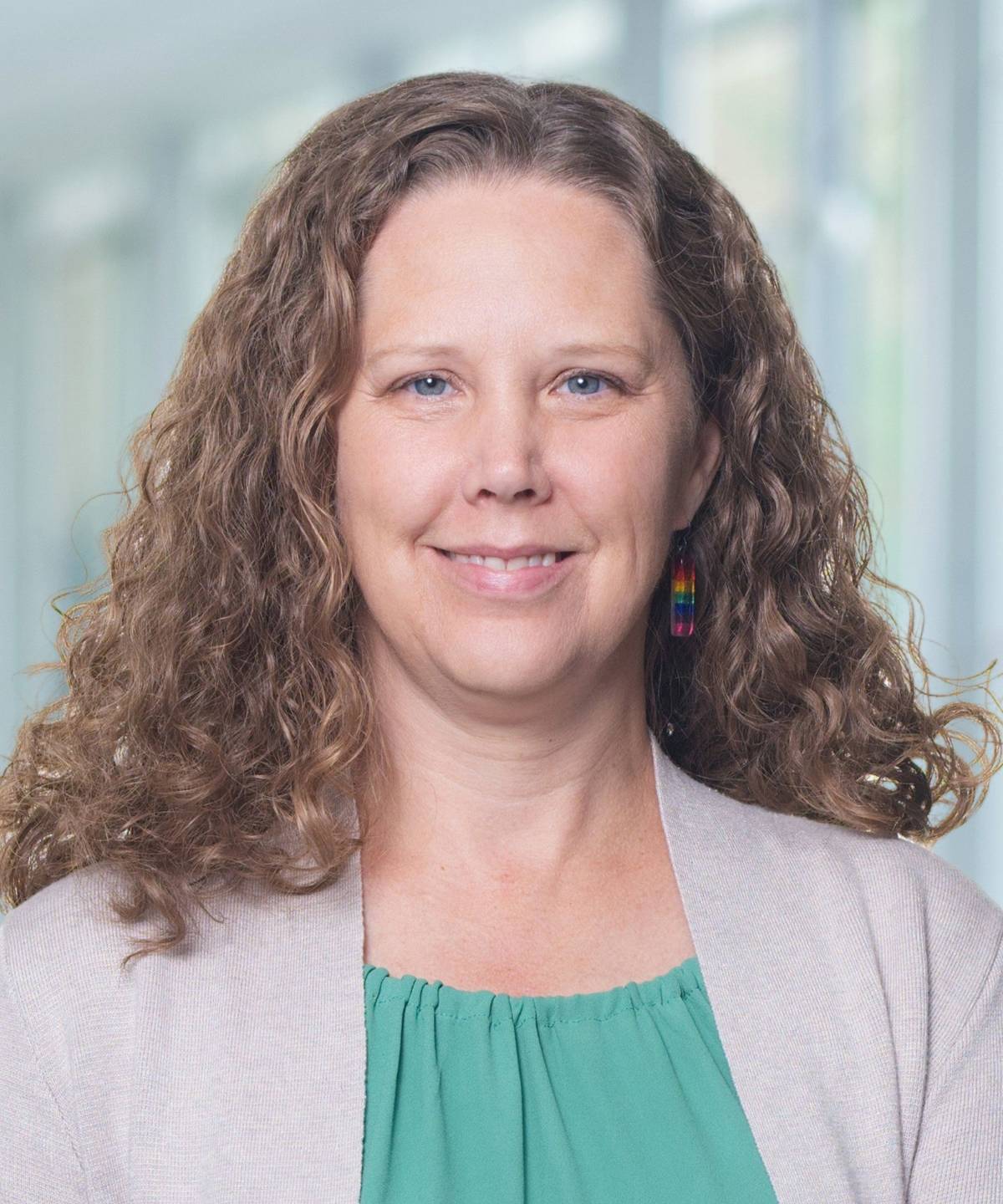
Rachel Petersen-Nguyen, M.D. (she/her)
Dr. Rachel Petersen-Nguyen is a weight-inclusive pediatrician and Medical Director at Children's Minnesota, where she founded both the Weight Inclusive Primary Care Committee and the Weight Inclusive Family Advisory Council.
Previously an Assistant Professor of Pediatrics at Mayo Clinic College of Medicine, she spent more than fifteen years caring for children and adolescents while leading innovative work in pediatric mental health. She also serves on the national faculty of the REACH Institute, training primary care providers in pediatric behavioral health.
Her unique combination of pediatric expertise, mental health training, and commitment to reducing weight stigma makes her an invaluable guide through this rapidly evolving landscape.
Registration
We believe financial circumstances should not prevent access to meaningful education.
If none of these rates are workable, or you need a payment plan, email hello@centerforbodytrust.com for more information.
Frequently Asked Questions
Will this be recorded?
Yes. Everyone who registers will receive access to the recording.
Are continuing education credits available?
CEUs for this webinar are pending approval from CDR and NASW-OR.
Do I need previous Body Trust training?
No. This webinar is designed for clinicians at any level of familiarity with Body Trust.
Is this appropriate if I currently prescribe GLP-1 medications?
Absolutely. This training is intended to support thoughtful, ethical clinical decision-making across a range of practice settings and perspectives.
GLP-1s and Kids
These Conversations
Aren’t Going Away.
Over the coming years, more children, adolescents, and families will have questions about GLP-1 medications.
The evidence will continue to evolve.
The ethical questions will remain.
This training won’t give you a script.
It will give you something more valuable: a thoughtful framework for navigating uncertainty with integrity, compassion, and clinical rigor.
Join us on October 16 as we explore what ethical care requires now.